








DEFI DEVELOPMENT SERVICES
DeFi Development Company Building Protocols Around the Economics, Not Just the Code
A DeFi development company designs, builds, and secures decentralized finance protocols end to end. Blockchain development for DeFi spans economic design, smart contracts, oracle architecture, front end, and indexing. Pixel Web Solutions builds AMMs and DEXs, lending markets, staking, yield vaults, and on-chain derivatives, with economic attack modelling alongside audit before any contract holds deposits.
Ethereum, Base, Arbitrum, Solana, and other networks. Built by a team that models flash loan and oracle manipulation before it models the happy path.
Get your free protocol design review
Tell us the mechanism and the chain. Within 48 hours you get an architecture outline, an attack surface summary, and a fixed-price estimate.
- Economic attack modelling alongside code audit, since most DeFi losses are economic
- Oracle dependency and failure behaviour designed explicitly, not assumed
- Full source, contracts, and ownership handed to you with no retained admin keys
78
Blockchain and Web3 projects delivered
6 weeks
Fastest protocol from design to audited mainnet
50
Networks deployed to
100%
Value-holding contracts shipped with independent audit
DeFi protocols are rarely broken by a bug. They are broken by their own economics.
The large DeFi losses have mostly not come from typos. They came from mechanisms that behaved exactly as written under conditions nobody modelled: a manipulated price, a borrowed pool of capital repaid in the same transaction, an empty vault, or a governance vote nobody expected to lose. Four issues account for most of it, and all four are design work.
Economics nobody stress-tested
A mechanism that is sound in normal conditions can be drained under manipulated ones. We model adversarial economics alongside code review, including flash-loaned capital, extreme price moves, and empty or near-empty pool states.
Oracle dependency treated as a given
A protocol pricing collateral from a manipulable source has handed an attacker the keys. We design price feed architecture explicitly: source selection, aggregation, staleness handling, deviation limits, and what the protocol does when a feed fails rather than lies.
No liquidity on day one
A lending market with no supply and an AMM with no depth are both non-products. Liquidity bootstrapping is a design and commercial problem that has to be solved during the build, not announced at launch.
Admin keys that undermine the premise
Users evaluate what your team can do to their funds, and upgradeable contracts behind a single key make the decentralization claim hollow. We design governance, timelocks, and multi-signature control so your position is defensible before anyone asks.
Our DeFi Development Services
Nine build tracks covering mechanism design, contracts, oracles, interface, and the operations a live protocol needs. Delivered by the same team behind our wider blockchain software development company capability.
A DeFi development company provides protocol and economic design, smart contract development, oracle and price feed architecture, liquidity and incentive mechanism design, front end and subgraph development, governance implementation, security auditing with economic attack modelling, deployment, and post-launch monitoring and incident response.
Protocol Architecture and Economic Design
Mechanism specification, incentive modelling, fee and revenue design, parameter selection, and adversarial scenario analysis before contracts are written. The stage that determines whether the protocol is exploitable.
AMM and DEX Development
Constant product, concentrated liquidity, stableswap, and custom curve designs, with routing, fee tiers, liquidity provider accounting, and impermanent loss behaviour modelled and documented. Curve selection, liquidity provider economics and MEV mitigation are covered in full by our decentralized exchange development company.
Lending and Borrowing Protocol Development
Supply and borrow markets with interest rate curves, collateral factors, isolated or shared pools, liquidation mechanics and incentives, and bad debt handling. Collateral factors, interest rate curves and liquidation incentives are covered in full by our defi lending and borrowing platform development.
Staking and Liquid Staking Protocols
Native and delegated staking, liquid staking tokens with exchange rate accounting, reward distribution, unbonding queues, and validator or operator management.
Yield Vaults and Aggregation
Vault contracts commonly following the ERC-4626 standard, with share price accounting, strategy execution, deposit and withdrawal edge handling, and defences against share inflation on an empty vault.
On-Chain Perpetuals and Derivatives
Oracle-priced or order book perpetuals with margin, funding, and liquidation logic implemented on chain. Margin, funding and liquidation depth for on-chain perpetuals, from our crypto derivatives exchange development company team.
Oracle and Price Feed Architecture
Source selection and aggregation, time-weighted pricing where appropriate, staleness and deviation checks, circuit breakers, fallback behaviour, and manipulation resistance analysis for every price the protocol depends on.
Front End, Subgraph and Analytics
Protocol interface with wallet connectivity and transaction previews, indexing and subgraph development for positions and history, and analytics for both users and your own operations.
Audit, Monitoring, Incident Response and Upgrades
Independent audit coordination with economic review, on-chain monitoring and anomaly alerting, incident response procedures with pause authority defined in advance, and governed upgrades. Audit coordination, upgrade patterns and contract engineering depth come from our blockchain smart contract development services.
Have a mechanism you want tested?
Send us the design under NDA. We will model how it behaves with flash-loaned capital, a manipulated price feed, and a near-empty pool, and tell you what we find. That review has stopped protocols from launching, which is the point of it.
Three ways to work with our DeFi development team
Pick the engagement that matches how settled your mechanism already is.
Mechanism Design and Feasibility
Duration
3 to 6 weeks
Economic modelling, adversarial scenario analysis, oracle strategy, parameter recommendations, and an architecture outline, delivered before development begins.
Best for:
Founders with a concept who want it stress-tested before committing a build budget.
Includes:
Mechanism specification, attack surface analysis, oracle design, parameter model, architecture document, cost estimate.
Full Protocol Build
Duration
10 to 20 weeks
Contracts, oracle integration, front end, subgraph, governance, audit cycles, and mainnet deployment with monitoring in place.
Best for:
Teams with a validated mechanism moving to launch.
Includes:
Everything in Mechanism Design, plus contract development, front end, indexing, audit coordination, deployment, monitoring setup.
Review, v2 and Ongoing Engineering
Duration
Varies
Assessment of a live or inherited protocol, remediation, version two development, new chain deployments, and ongoing engineering as a retained team.
Best for:
Protocols already live that need capacity or confidence.
Includes:
Code and economic review, findings report, remediation, feature development, retained engineering.
A proven DeFi development process, from mechanism to monitored mainnet
Five stages. The economic work happens before the code, because that is where the exploits live.
Mechanism and Economic Specification
We document the mechanism precisely, define every invariant that must always hold, map value flows, and model adversarial scenarios including flash-loaned capital and manipulated prices. Output: a mechanism specification, an invariant list, and an attack surface analysis.
Architecture, Oracles and Audit Scheduling
We design contract structure, oracle architecture with failure behaviour, governance and pause authority, and upgrade approach, then book audit capacity for the projected date. Output: an architecture document, an oracle design record, a fixed-price scope, and a confirmed audit slot.
Development and Adversarial Testing
Contracts written with invariant testing, fuzzing, and mainnet fork testing against real protocol state and real price data, plus economic simulation of the parameters. Output: contracts with coverage, gas profile, and simulation results.
Audit, Economic Review and Remediation
Independent audit including economic review, prioritised remediation, retesting, and a further pass on material changes. Output: an audit report and a remediation log you can publish.
Launch, Liquidity and Monitoring
Staged deployment with conservative initial parameters and caps, liquidity bootstrapping, monitoring and anomaly alerting, incident response procedures agreed, and handover of source, contracts, and ownership to your multi-signature control. Output: a live, monitored protocol.
Get your mechanism attacked before someone else does it for free
A 45-minute review of your protocol design. We work through the economic attack surface, oracle dependencies, liquidity assumptions, and governance position, then tell you what it takes to build safely. No obligation, no sales script.
- How your mechanism behaves under flash-loaned capital and manipulated prices
- Whether your oracle design fails safely or fails silently
- A realistic timeline including audit capacity and remediation cycles
Key Benefits of Choosing Our DeFi Development Services
What protocol teams get from engineers who treat economics as part of the attack surface.
Economic modelling before code
Adversarial scenarios modelled at specification stage, because a mechanism that is exploitable by design cannot be fixed by careful implementation.
Oracle architecture designed explicitly
Source, aggregation, staleness, deviation limits, and fallback behaviour defined for every price the protocol relies on, since price manipulation is among the most common causes of DeFi loss.
Adversarial testing as standard
Invariant testing, fuzzing, and mainnet fork testing against real state and real prices, rather than tests that confirm the intended path.
Governance you can defend
Timelocks, multi-signature control, and clearly scoped pause authority, documented so users can evaluate exactly what your team can and cannot do to their funds.
Liquidity planned during the build
Incentive design, initial depth, and launch parameters worked out before deployment, so the protocol is usable on day one rather than waiting for capital that never arrives.
You own everything
Full source, contracts, front end, and subgraph transfer to you, with ownership moved to your multi-signature control before handover. We retain no admin keys or privileged roles.
Who we build DeFi protocols for
The same engineering and economic discipline across nine very different mandates.
| Industry | What we build |
|---|---|
| Protocol founders | a new mechanism taken from concept to audited mainnet |
| DAOs | treasury-funded protocol development with governed upgrades |
| Layer 1 and Layer 2 ecosystems | native DeFi primitives that bootstrap a new chain |
| Centralized exchanges | an on-chain product line alongside the existing venue |
| Asset managers | tokenized strategies and vaults for institutional capital |
| RWA issuers | yield protocols backed by off-chain assets with permissioned access |
| Gaming and metaverse platforms | in-game economies with swap and staking primitives |
| Institutions | permissioned DeFi with identity-gated participation |
| Live protocols | version two development, new chains, and retained engineering |
High-value DeFi use cases we deliver
AMM or DEX
Swap infrastructure with liquidity provider accounting, fee tiers, and routing. What decides quality: curve design, fee capture, and how the pool behaves at extreme imbalance.
Lending market
Supply and borrow with interest rate curves, collateral factors, and liquidations. What decides quality: oracle resistance and whether liquidations remain profitable during volatility.
Liquid staking protocol
Staked position tokenised so users keep liquidity while earning staking rewards. What decides quality: exchange rate accounting and unbonding queue behaviour under stress.
Yield vault
Deposits deployed into strategies with share-based accounting. What decides quality: share price manipulation resistance, especially on a near-empty vault.
On-chain perpetuals
Leveraged positions priced by oracle or order book, settled on chain. What decides quality: liquidation reliability and funding mechanism under one-sided demand.
RWA yield protocol
On-chain access to off-chain asset yield with permissioned participation. What decides quality: custody, attestation, and the legal structure behind the claim.
Chains, standards and infrastructure we build on
We build where the liquidity, integrations, and auditor pool already are.
Networks:
Standards:
Protocol primitives:
Oracles and data:
Interface and indexing:
Assurance:
Tools and Technologies We Use
Contracts
Development frameworks
Testing and simulation
Libraries
Oracles
Indexing
Frontend
Infrastructure
Monitoring
DeFi development driving real protocol outcomes
Fastest protocol from design to audited mainnet
Value-holding contracts deployed with independent audit
Networks deployed to across projects
Figures reflect Pixel Web Solutions delivery data. They are not protocol performance figures, and nothing on this page is a representation about yield, returns, or safety.
DeFi protocol types compared
An AMM provides token swaps priced by a formula against pooled liquidity. A lending market matches suppliers and borrowers with collateral and liquidation. A liquid staking protocol tokenises a staked position so it stays liquid. A vault deploys deposits into strategies and issues shares. Perpetuals offer leveraged exposure on chain. Each carries a different oracle dependency and a different dominant risk.
| Protocol type | Core mechanism | Oracle dependency | Liquidity requirement | Dominant risk |
|---|---|---|---|---|
| AMM or DEX | Pooled liquidity priced by a curve | Low, price is discovered in the pool | High, depth is the product | Impermanent loss and pool imbalance |
| Lending market | Collateralised borrowing | Critical, prices collateral | High on the supply side | Oracle manipulation and bad debt |
| Liquid staking | Staked position tokenised | Low | Moderate, needs secondary depth | Exchange rate accounting and unbonding |
| Yield vault | Deposits into strategies, share accounting | Varies by strategy | Moderate | Share price manipulation and strategy risk |
| Perpetuals | Leveraged positions with funding | Critical, marks positions | High | Liquidation failure and oracle attack |
| Stablecoin or CDP | Collateral-backed issuance | Critical | High | Depeg and collateral shortfall |
We model each of these against your specific mechanism during design, and the findings sometimes change the mechanism. That is the intended outcome.
Code audits catch code. Economic review catches the things that have actually drained protocols. Our free design review covers both in 45 minutes.
DeFi economic attack vectors, and the control for each
These are the mechanisms behind most significant DeFi losses. None are syntax errors, which is why code-only review does not catch them. Every row is addressed during mechanism design rather than during audit.
| Attack | How value is extracted | Control |
|---|---|---|
| Flash loan price manipulation | Borrowed capital moves a price within one transaction, then the protocol acts on it | Manipulation-resistant pricing, time-weighted feeds, deviation limits |
| Oracle manipulation or staleness | Protocol prices collateral from a thin or stale source | Multiple sources, aggregation, staleness checks, circuit breakers |
| Share inflation on an empty vault | First depositor donates assets to skew share price against later depositors | Virtual shares or a seeded initial deposit, minimum liquidity |
| Liquidation failure under volatility | Liquidations become unprofitable, leaving bad debt | Incentive sizing, partial liquidation, buffer and reserve design |
| Governance capture | Voting power acquired or borrowed to pass a malicious proposal | Timelocks, quorum design, flash loan resistant snapshots |
| Reentrancy through external calls | Callback re-enters before state is settled | Checks-effects-interactions, reentrancy guards, careful token assumptions |
| Rounding and precision loss | Repeated small rounding drains value over many operations | Rounding direction chosen to favour the protocol, invariant testing |
| Sandwich and MEV extraction | User transactions are front-run for value | Slippage defaults, private submission, mechanism design that reduces extractable value |
| Bridge or cross-chain compromise | The weakest link is the message layer, not the protocol | Minimise bridge dependency, assess validator assumptions explicitly |
| Non-standard token behaviour | Fee-on-transfer or rebasing tokens break accounting assumptions | Explicit token compatibility policy and allowlisting |
We model each of these against your specific mechanism during design, and the findings sometimes change the mechanism. That is the intended outcome.
Portfolio - Our Work in Action

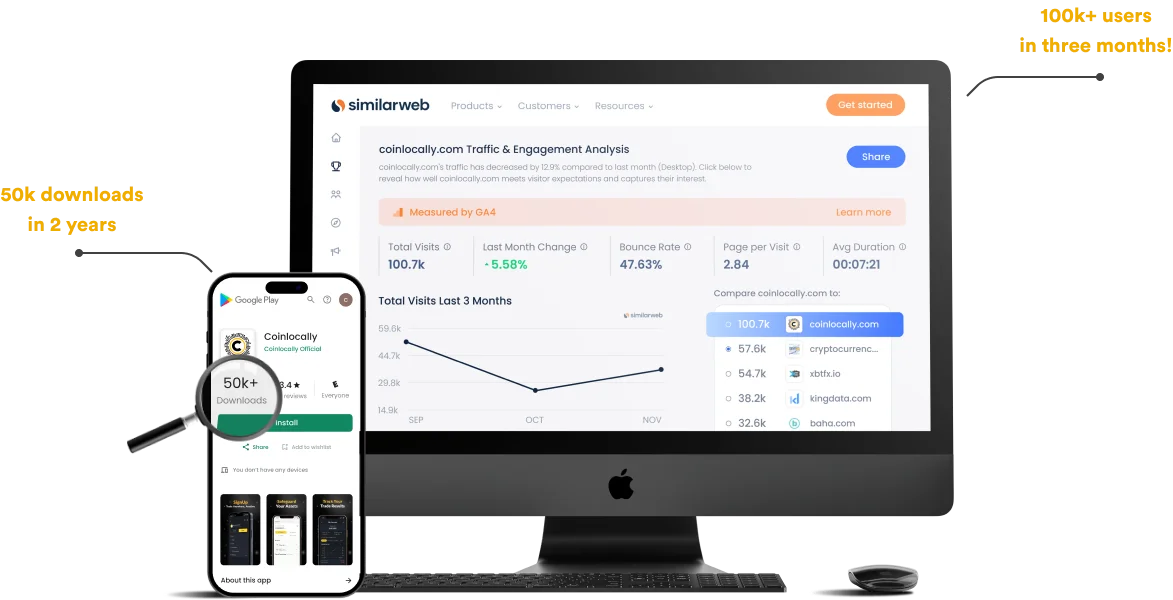
Coinlocally, the thriving cryptocurrency hub incorporates Centralized, DEXs, and an NFT marketplace – all under one roof!
Read More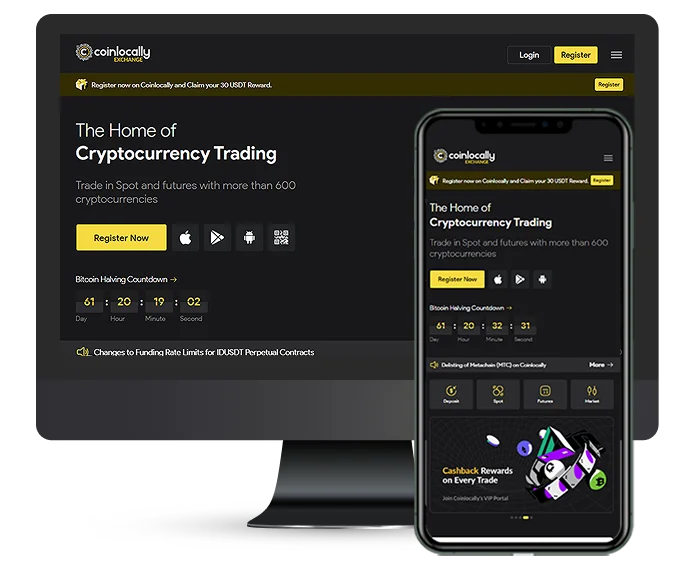

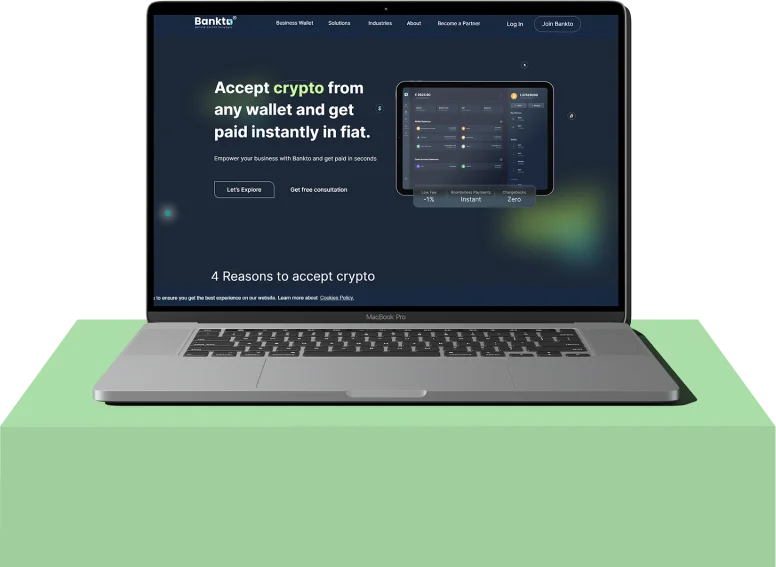
Bankto is a fascinating payment gateway platform where features are tailored brick-by-brick for efficient crypto transactions.
Read More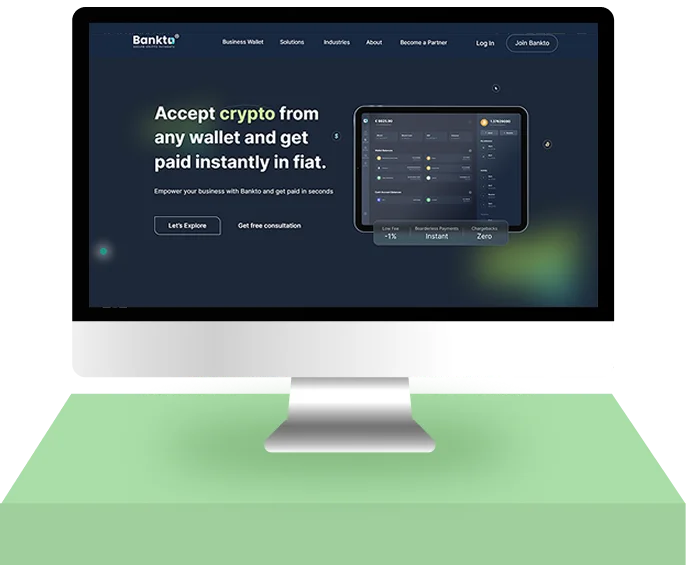

Manilla is a P2P-based exchange where innovative and trusted fintech services are guaranteed.
Read More

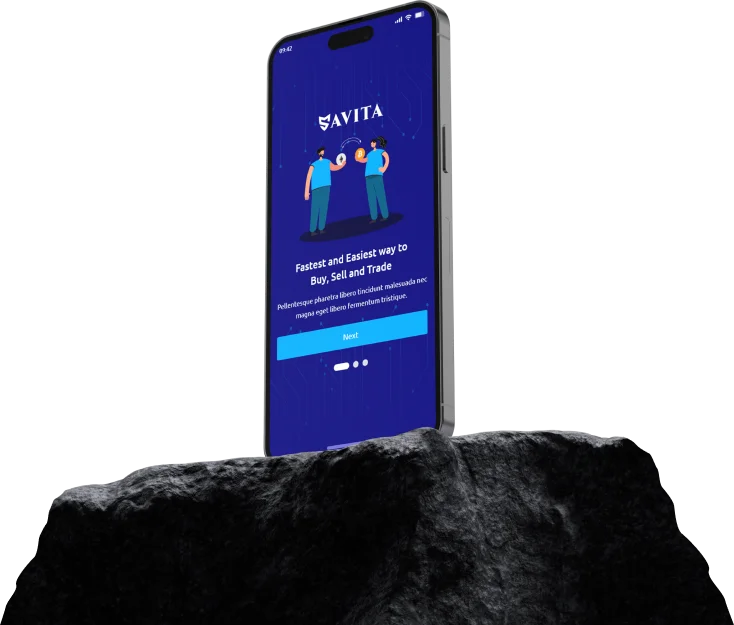
Savita is a global cryptocurrency exchange that emphasizes peer-to-peer order book trading. Being a customer-centric crypto exchange, Savita satisfies more than five thousand traders daily.
Read More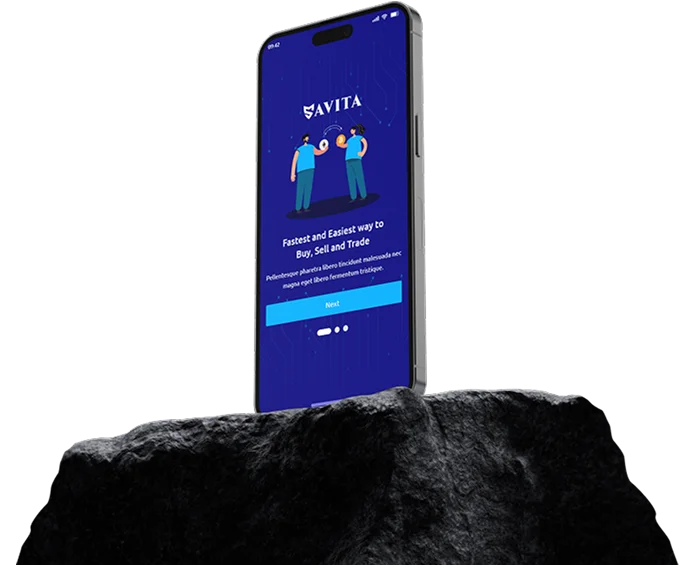

AltCoin Trader is a successful South African-based Centralized Crypto exchange platform that allows users to trade crypto to fiat or vice versa easily.
Read More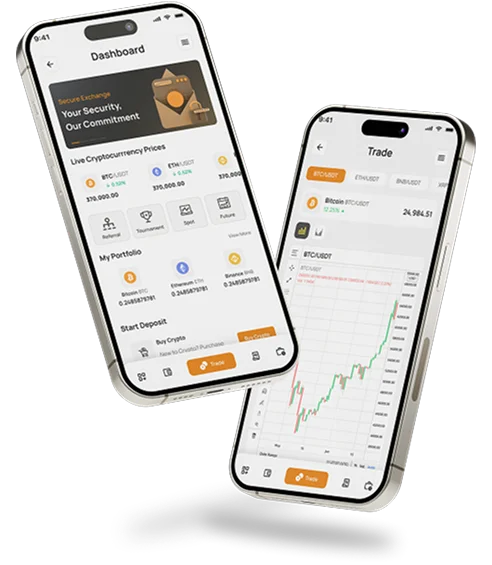

Fantasy Futbol is a next-gen fantasy sports platform where strategy meets skill in a fair and thrilling football experience.
Read More
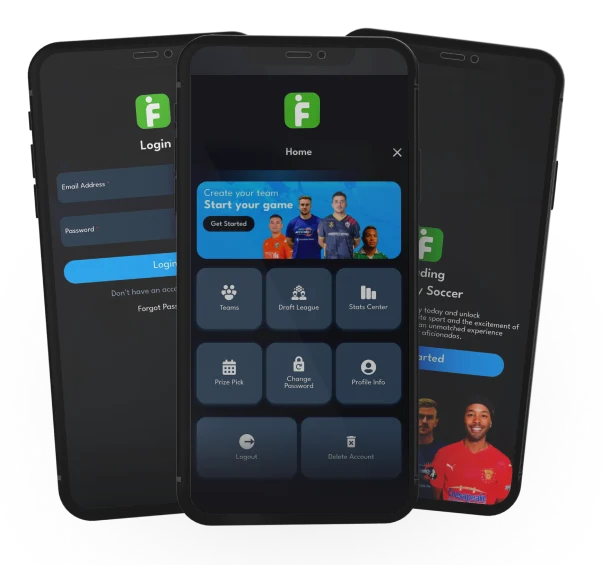

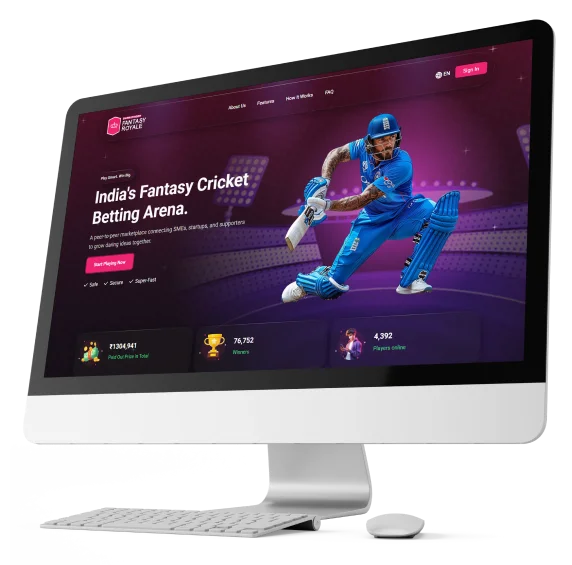
Fantasy Royal is an Indian-based P2P-powered Fantasy Cricket platform with secure, multi-level gameplay for thrilling and rewarding experiences.
Read More
Book your free DeFi protocol consultation
Tell us the mechanism you have in mind, or send us a protocol that already exists. In 30 minutes, a protocol engineer will work through the economic attack surface, oracle strategy, and liquidity requirement, and outline a realistic build.
- How your mechanism behaves under adversarial economic conditions
- An honest view of feasibility, cost, audit timeline, and liquidity requirement
- Clear next steps, whether or not you work with us
Frequently asked questions
Common questions about DeFi protocol development, economics, oracles, security, and cost.
Related blockchain development services
Contracts, venues and the interface around a protocol
A protocol is contracts plus everything users reach it through. These pages cover the contract engineering discipline, the venues the mechanism resembles, and the wallet and front end that make it usable.
smart contract development services
Invariant testing, fuzzing, mainnet fork testing and independent audit with economic review.
crypto derivatives exchange development
Risk engine and liquidation depth for on-chain perpetuals and margin products.
DeFi wallet development
The wallet users hold positions in, with transaction simulation before they sign.
crypto token development
Governance token contracts, emissions and timelocked treasury execution.
Get your mechanism attacked before someone else does it for free. 45 minutes, no obligation.

Reviewed by :
Bal Ganesan
Blockchain & Protocol Lead at Pixel Web Solutions, with 12 Yrs Experience
Last updated: August 2026
Freshness note: DeFi mechanisms, known attack patterns, and the regulatory position change continuously. Details on this page reflect our understanding at the time of writing and are not financial, investment, or legal advice.
Ready to build a protocol that survives contact with adversaries?
Let's model the economics first, then build contracts you can defend under audit and under attack. Send us the mechanism under NDA, or book a consultation with a protocol engineer.
Get in Touch